Essential Technologies for Developing a Successful Laundry App
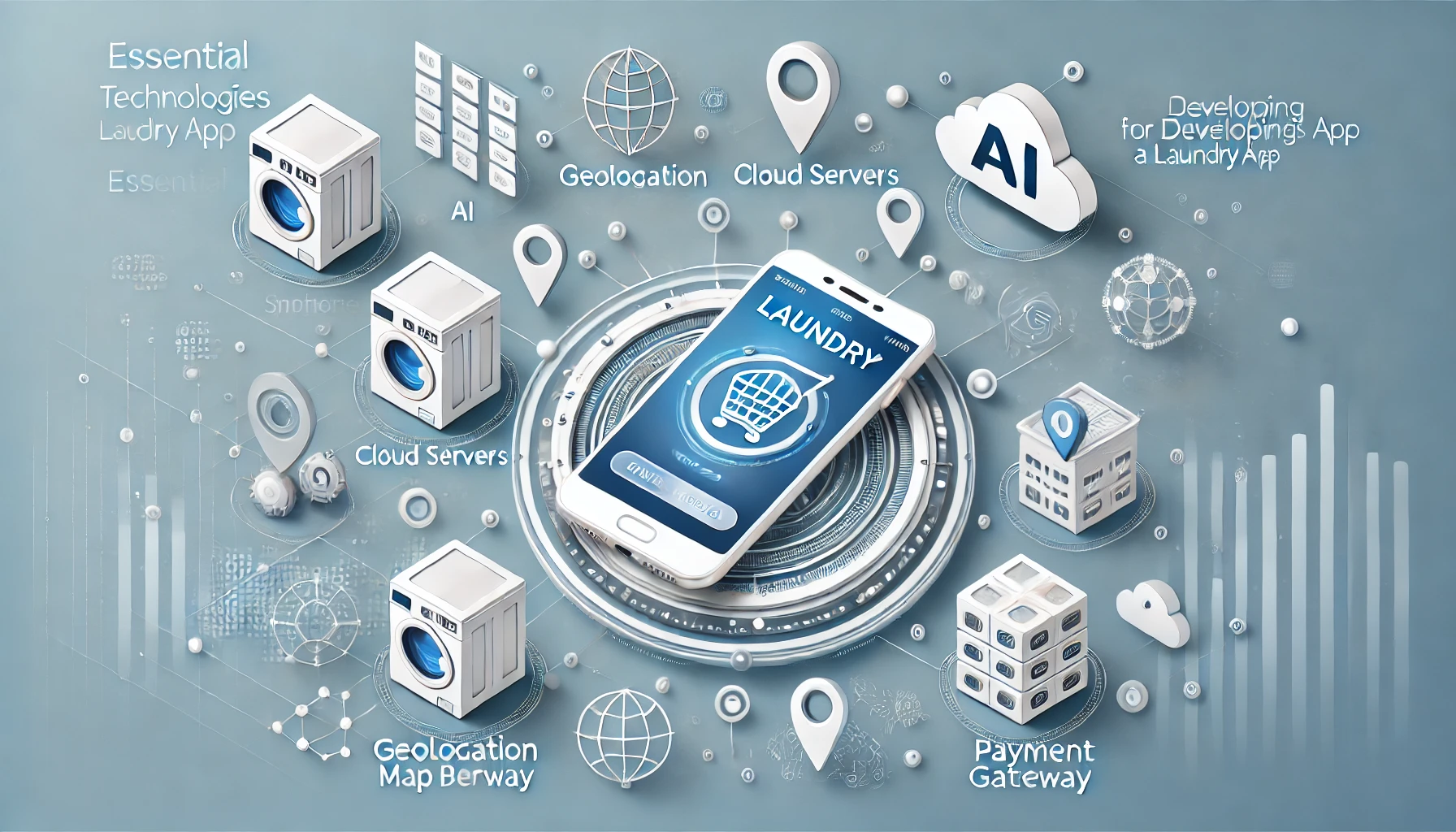
Discover the key technologies for developing a successful laundry app, including AI, geolocation, secure payments, and cloud solutions.
I am Sofia Murphy, a mobile apps consultant. I voluntarily write blogs on mobile apps architecture, design, UI/UX, product engineering, and programming languages.
The rise of on-demand services has revolutionized traditional businesses, and the laundry industry is no exception. Customers today value convenience, and laundry apps cater to this demand by offering services at their fingertips. To create a competitive edge, partnering with a reliable laundry app development company is essential. However, building a successful laundry app isn’t just about having a great idea; it’s about leveraging the right technologies to ensure seamless functionality, scalability, and user satisfaction. Below, we dive into the essential technologies required for creating a cutting-edge laundry app that stands out in the competitive market.
1. Mobile App Frameworks: The Foundation of Your App
Choosing the right development framework is the first step toward creating a robust laundry app. Developers often choose between two main approaches:
Native Development: Building separate apps for iOS and Android using native technologies like Swift (for iOS) and Kotlin (for Android). This approach ensures top-notch performance, seamless integration with device features, and high reliability.
Cross-Platform Development: Using frameworks like Flutter or React Native to create a single codebase that works on both platforms. This option is more cost-effective and reduces development time while maintaining a near-native performance level.
2. Cloud-Based Solutions: Ensuring Scalability and Efficiency
Cloud technology is integral to modern app development, providing the scalability and flexibility required to manage a growing user base. For laundry apps, cloud services enable efficient data storage, real-time syncing, and faster processing of orders. Popular cloud solutions like AWS, Google Cloud, and Microsoft Azure ensure:
Data Security: Cloud platforms provide built-in encryption to secure user data.
Scalability: Automatically adjusting resources to handle fluctuating traffic.
Efficiency: Reducing server management overhead for developers.
Cloud computing also facilitates seamless communication between app components, ensuring a smooth user experience.
3. Geolocation Services: Enhancing Delivery Operations
Geolocation is one of the most critical features of a laundry app, particularly for services offering pickup and delivery. APIs like Google Maps or Mapbox provide advanced geolocation services that include:
Real-Time Tracking: Allowing users to track their laundry pickup and delivery in real-time.
Optimized Routing: Helping delivery personnel find the fastest routes, saving time and fuel.
Location-Based Notifications: Sending reminders or updates when a delivery person is near the user's location.
Geolocation technology improves operational efficiency and enhances the overall customer experience.
4. Payment Gateway Integration: Seamless Transactions
A secure and user-friendly payment system is a must-have for any laundry app. Integrating reliable payment gateways like Stripe, PayPal, or Razorpay ensures a smooth transaction process. Features to consider include:
Multiple Payment Options: Support for credit/debit cards, digital wallets, and UPI.
One-Click Payments: Simplifying the checkout process for returning users.
Secure Transactions: Using encryption technologies to safeguard user information.
Payment gateways that comply with PCI DSS (Payment Card Industry Data Security Standard) offer added security and user trust.
5. Artificial Intelligence (AI) and Machine Learning (ML): Adding Intelligence to the App
AI and ML technologies can elevate your laundry app by offering:
Personalized Recommendations: Suggesting services based on user behavior and preferences.
Dynamic Pricing Models: Adjusting pricing based on demand, order size, or delivery urgency.
Route Optimization: ML algorithms can analyze traffic and delivery patterns to find the fastest routes.
Predictive Analytics: Helping businesses forecast demand and manage resources effectively.
AI-driven chatbots can also improve customer support, offering instant answers to common queries without human intervention.
6. Push Notification Services: Keeping Users Engaged
Push notifications are essential for maintaining user engagement. Tools like Firebase Cloud Messaging (FCM) or OneSignal allow you to:
Send Order Updates: Notify users about order pickup, status, and delivery.
Promote Offers: Highlight discounts, loyalty programs, or seasonal promotions.
Reminders: Encourage users to schedule their next service.
Well-timed notifications enhance user satisfaction and improve app retention rates.
7. Backend Technology: Powering the App’s Core
The backend of your app is its powerhouse, managing data, user interactions, and business logic. Technologies like Node.js, Django, or Ruby on Rails are popular choices for building a reliable backend. Key considerations include:
Scalability: Supporting increasing user loads as your app grows.
Speed: Ensuring quick responses for app requests.
Integration: Seamless interaction with databases, APIs, and front-end components.
A well-designed backend ensures smooth operations and enhances user satisfaction.
8. Database Management: Organizing and Securing Data
Efficient database management is crucial for storing and accessing user profiles, order history, and service details. Popular databases include:
MongoDB: A NoSQL database suitable for flexible and scalable solutions.
PostgreSQL: An advanced SQL database known for its robustness and reliability.
MySQL: A widely used database that balances simplicity and functionality.
Choosing the right database ensures that your app remains fast, even as the user base grows.
9. Third-Party API Integrations: Adding Functionality
Third-party APIs can enhance your app’s functionality without extensive custom development. Key integrations include:
Twilio or SendGrid: For SMS and email notifications.
Live Chat Solutions: For real-time customer support.
Analytics Tools: Like Google Analytics or Mixpanel to track user behavior and improve app performance.
These integrations reduce development time and improve the overall app experience.
10. Cybersecurity Measures: Protecting User Data
In today’s digital age, protecting user data is non-negotiable. Implementing robust security measures ensures trust and compliance. Essential steps include:
SSL Certificates: Encrypting data transferred between the app and server.
Two-Factor Authentication (2FA): Adding an extra layer of login security.
Compliance: Adhering to data protection regulations like GDPR or CCPA.
By prioritizing cybersecurity, you can build user trust and protect your business from data breaches.
Conclusion
Developing a successful laundry app requires more than just a great idea. Leveraging the right technologies ensures a seamless user experience, operational efficiency, and scalability. From robust mobile frameworks to AI-driven personalization and secure payment systems, each technology plays a critical role in your app’s success.


